The Enduring Allure of Cream Cheese Pound Cake
Few desserts evoke a sense of timeless comfort and sophisticated simplicity quite like the cream cheese pound cake. This beloved classic transcends mere baking; it's a culinary hug, a staple of Southern hospitality, and a testament to the magic that happens when a few quality ingredients are combined with care. Originally, a pound cake earned its name from using a pound each of butter, sugar, eggs, and flour. While modern recipes have evolved to perfect its texture and flavor, the core principle of a rich, dense, and utterly satisfying cake remains.
What sets the cream cheese pound cake apart from its traditional counterpart? The addition of cream cheese is the game-changer. It imbues the cake with an unparalleled richness, a subtle tang that balances the sweetness, and an incredibly moist, fine-crumbed texture that melts in your mouth. This isn't just a cake; it's an experience – perfect for any occasion, from a casual coffee break to a festive holiday gathering. Its versatility and universal appeal make it a perennial favorite, a recipe passed down through generations, each baker adding their own touch to this enduring masterpiece.
A Brief History and Why We Love It So Much
Pound cakes have been a part of the culinary landscape for centuries, with origins tracing back to the 18th century. They were prized for their ability to stay fresh for extended periods, thanks to their dense structure. The integration of cream cheese, however, is a more modern adaptation, likely gaining significant popularity in the American South. This addition not only enhances the cake's keeping qualities but also elevates its flavor profile, adding a complexity and depth that's simply irresistible.
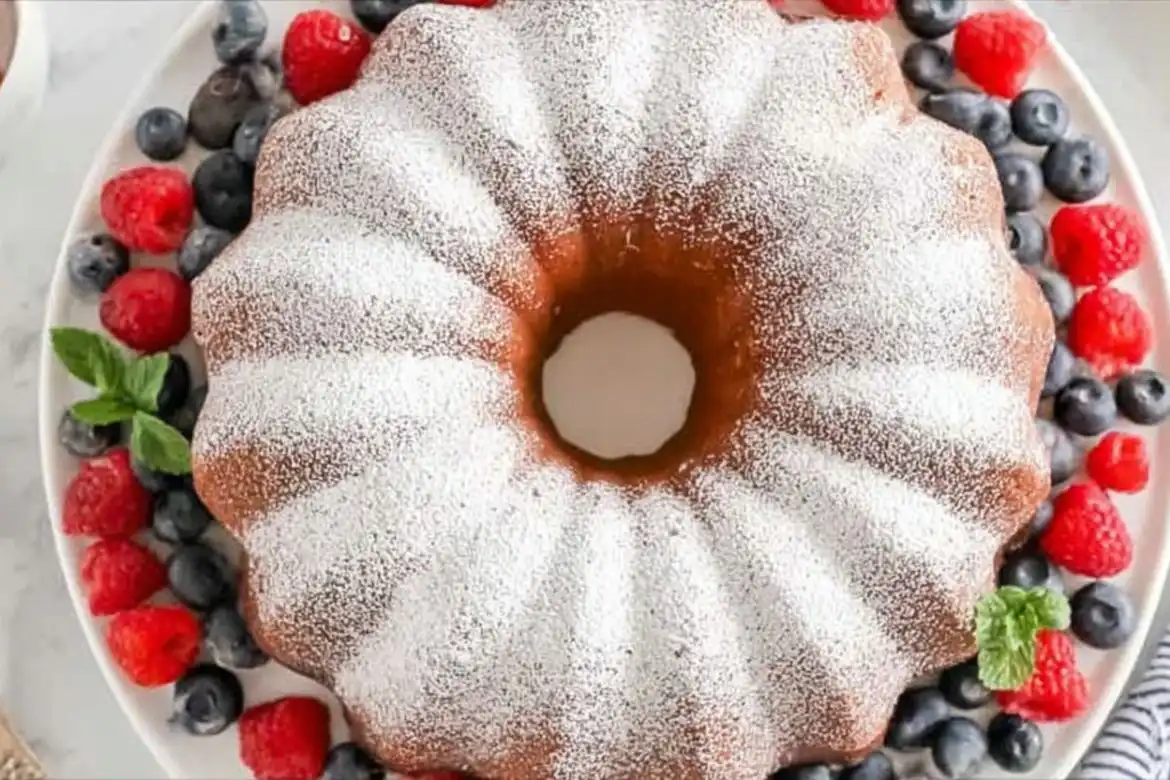
We love cream cheese pound cake because it's both luxurious and humble. It doesn't require elaborate decorations to shine; its beauty lies in its golden-brown crust and moist interior. It's the kind of cake that invites you to slow down, savor each bite, and appreciate the simple pleasures of life. Moreover, it's incredibly forgiving, making it an excellent project for bakers of all skill levels. For more on the fascinating journey of this dessert, you might enjoy reading cream cheese pound cake - Article 2.
Mastering the Perfect Cream Cheese Pound Cake: Key Ingredients and Techniques
Achieving a truly exceptional cream cheese pound cake hinges on understanding both the ingredients and the precise techniques involved. While the recipe might seem straightforward, paying attention to these details can elevate your cake from good to truly extraordinary.
Essential Ingredients for Success
- Full-Fat Cream Cheese: This is non-negotiable. Reduced-fat versions contain more water and will not provide the same richness, texture, or flavor. Ensure it's softened to room temperature for smooth incorporation.
- Unsalted Butter: Like cream cheese, butter must be at room temperature. This is crucial for creaming it properly with sugar, which incorporates air and creates a light texture.
- Granulated Sugar: Provides sweetness and helps create a tender crumb.
- Large Eggs: Also at room temperature. Adding them one at a time and beating well after each ensures a stable emulsion and prevents curdling.
- All-Purpose Flour: Sifted flour prevents lumps and helps create a finer, more uniform crumb. Some bakers prefer cake flour for an even more tender result, but AP flour works beautifully.
- Vanilla Extract: Use a high-quality pure vanilla extract. It's a prominent flavor, so don't skimp!
- Salt: Balances the sweetness and enhances all the other flavors.
- Baking Powder/Soda (Optional): Traditional pound cakes rely solely on creamed butter and eggs for leavening. Some modern recipes add a touch of baking powder for a slightly lighter texture, but it's not strictly necessary for a classic dense crumb.
Crucial Techniques for a Flawless Crumb
- Room Temperature Ingredients: This is the golden rule. Cold ingredients will not emulsify properly, leading to a lumpy batter and a denser, less uniform cake. Plan ahead and take your butter, cream cheese, and eggs out of the fridge at least an hour or two before baking.
- Proper Creaming: In a stand mixer, beat the softened butter and cream cheese together until smooth. Then, gradually add the sugar and beat on medium-high speed until the mixture is very light, pale, and fluffy (5-7 minutes). This step incorporates air, which is vital for the cake's structure.
- Egg Incorporation: Add eggs one at a time, beating thoroughly after each addition until fully incorporated. Scrape down the sides of the bowl frequently. This ensures a smooth batter.
- Alternating Dry and Wet: If your recipe includes milk or buttermilk, you'll alternate adding the dry ingredients (flour and salt) with the liquid ingredients, starting and ending with the dry. This prevents overmixing the flour.
- Do NOT Overmix: Once you add the flour, mix only until just combined. Overmixing develops the gluten in the flour, resulting in a tough, dry cake. A few gentle stirs by hand at the end can ensure no pockets of dry flour remain.
- Pan Preparation: A well-greased and floured Bundt pan or loaf pan is essential to prevent sticking. Use shortening or butter, making sure to get into every crevice, then dust generously with flour, tapping out the excess.
- Slow and Steady Baking: Pound cakes bake best at a lower temperature (typically 325-350°F / 160-175°C) for a longer period. This allows the cake to cook through evenly without over-browning the exterior. Avoid opening the oven door too early, especially during the first two-thirds of baking, as this can cause the cake to collapse.
- Cooling Process: Allow the cake to cool in the pan for 10-15 minutes before inverting it onto a wire rack to cool completely. This helps the cake set and prevents it from breaking.
By following these steps, you'll be well on your way to baking a show-stopping cream cheese pound cake that will impress everyone.
Beyond the Classic: Creative Variations and Serving Suggestions
While the traditional cream cheese pound cake is a masterpiece on its own, its robust flavor and texture make it an excellent canvas for creative variations. Exploring these options can introduce new dimensions to this beloved dessert.
Elevating Your Pound Cake with Flavorful Twists
- Lemon Zest & Juice: Add the zest of 2-3 lemons to the batter and a tablespoon or two of fresh lemon juice for a bright, tangy counterpoint that beautifully complements the cream cheese. A lemon glaze made with powdered sugar and lemon juice is a perfect finish.
- Almond Extract: A teaspoon of almond extract can add a sophisticated, nutty undertone. Pair it with a few drops of almond flavoring in a simple glaze.
- Orange Blossom or Rose Water: For an exotic floral note, add a few drops to the batter. Be judicious, as these are potent flavors.
- Chocolate Chip Swirl: Fold in a cup of mini chocolate chips into half of the batter, then alternate dollops of plain and chocolate batter in the pan for a marbled effect.
- Nutty Crunch: Incorporate chopped pecans or walnuts into the batter for added texture and flavor. Toasting them lightly beforehand enhances their taste.
- Spiced Delights: A pinch of nutmeg, cinnamon, or cardamom can transform the cake into a warm, comforting treat, especially for autumn or winter.
For more specific flavor combinations and detailed instructions, you might find cream cheese pound cake - Article 3 particularly insightful.
Delightful Serving Suggestions
A slice of cream cheese pound cake is undeniably delicious on its own, but here are some ways to make it even more special:
- Fresh Berries and Whipped Cream: A classic pairing. The tartness of fresh raspberries, strawberries, or blueberries cuts through the richness of the cake beautifully, and a dollop of homemade whipped cream adds a cloud-like lightness.
- Fruit Compote: A warm berry or stone fruit compote (peaches, cherries) spooned over a slice of cake is heavenly. The contrast in temperature and texture is exquisite.
- Ice Cream or Sorbet: Serve with a scoop of vanilla bean ice cream for ultimate indulgence, or a raspberry sorbet for a lighter, refreshing option.
- Simple Glaze or Icing: A drizzle of a classic powdered sugar glaze (made with powdered sugar and milk or cream) is often all it needs. For extra decadence, a cream cheese glaze can be a delightful addition.
- Coffee or Tea: It's the quintessential companion to a cup of freshly brewed coffee or a soothing cup of tea. Perfect for an afternoon treat or a relaxed breakfast.
- Holiday Centerpiece: Dressed up with a beautiful glaze and some seasonal garnishes, a cream cheese pound cake makes a stunning centerpiece for any holiday dessert table.
Troubleshooting Your Cream Cheese Pound Cake
Even seasoned bakers encounter hiccups. Here are some common issues you might face when baking a cream cheese pound cake and how to prevent them:
- Cake is Dry or Crumbly:
- Cause: Over-baking, too much flour, not enough fat, or ingredients not at room temperature.
- Solution: Use a kitchen scale for accuracy with flour, bake only until a toothpick comes out with moist crumbs (not wet batter), and ensure all dairy and eggs are at room temperature.
- Cake Sinks in the Middle:
- Cause: Oven door opened too early, under-baking, too much leavening, or over-creaming butter/sugar then deflating the batter.
- Solution: Resist opening the oven door until the final 15-20 minutes. Ensure the cake is fully cooked. If using leavening, measure accurately.
- Tough Texture:
- Cause: Overmixing the flour.
- Solution: Mix the flour in gently and only until just combined. A few lumps are better than overmixed batter.
- Cake Sticks to the Pan:
- Cause: Insufficiently greased and floured pan, or not allowing the cake to cool in the pan for long enough before inverting.
- Solution: Be meticulous with greasing every crevice of your pan (especially a Bundt pan) and dusting thoroughly with flour. Allow 10-15 minutes of cooling in the pan before attempting to release.
- Dense/Soggy Bottom:
- Cause: Ingredients not at room temperature, not creaming butter and sugar enough, or oven temperature too low.
- Solution: Reiterate room temperature ingredients and proper creaming. Ensure your oven thermometer is accurate.
Conclusion
The cream cheese pound cake truly is a masterpiece of home baking – a testament to simple ingredients yielding extraordinary results. From its historical roots as a sturdy, reliable cake to its modern incarnation as a rich, tender, and subtly tangy delight, it continues to capture hearts and taste buds. By understanding the science behind the ingredients and mastering a few key techniques, you can confidently bake a pound cake that is not only delicious but also a source of immense pride. Whether you stick to the classic recipe or venture into creative variations, this cake promises to be a cherished addition to your culinary repertoire, bringing joy and comfort with every moist, flavorful slice.
